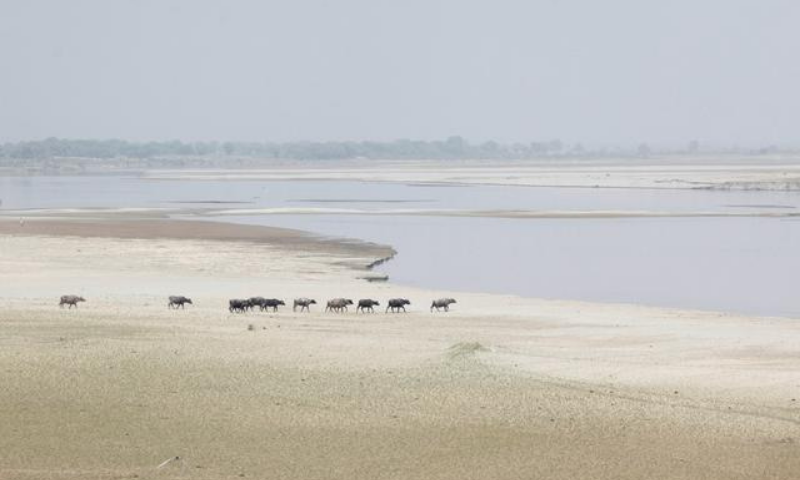
The devastating floods in Punjab have once again laid bare Pakistan’s vulnerability to climate-induced disasters, but amid this widespread destruction, one story has drawn special attention – the inundation of Darbar Sahib Kartarpur, one of Sikhism’s holiest shrines and the final resting place of Guru Nanak Dev. Images of floodwaters rising several feet inside the pristine white-marble complex have shocked not only the Sikh community but also all those who recognize the importance of preserving cultural and religious heritage. In this backdrop, the commitment expressed by Chief of Army Staff Field Marshal Syed Asim Munir to fully restore Kartarpur and other religious sites damaged by the floods carries immense symbolic and moral weight.
The army chief’s statement, made during his visit to flood-hit areas in Punjab including Sialkot, Shakargarh, Narowal, and Kartarpur, reaffirms the principle that protection of minorities and their religious heritage is not a matter of charity or goodwill but a constitutional responsibility of the state. “It is the responsibility of the state and its institutions to safeguard minorities and their places of worship,” Field Marshal Munir declared. These words are significant at a time when Pakistan is not only battling natural disasters but also striving to project an image of inclusivity, tolerance, and pluralism before the world.
The Darbar Sahib at Kartarpur holds special historical and spiritual importance. It symbolizes Pakistan’s recognition of the Sikh faith and stands as a testament to cross-border religious harmony since the opening of the Kartarpur Corridor in 2019. The temporary closure of this corridor due to flooding is a reminder of how fragile such initiatives can be in the face of natural calamities. For the thousands of Sikhs in India and across the diaspora who regularly visit the shrine, Kartarpur is more than a religious site; it is a bridge of peace and interfaith dialogue. Its restoration, therefore, is not only about repairing damaged walls and marble floors but about preserving the trust and goodwill painstakingly built over years.
It is heartening that despite the floods, the sanctity of the shrine was protected – with the sacred Saroop of Guru Granth Sahib-ji and the volunteers safely relocated to higher ground. This prompt action reflects a sense of responsibility and coordination. Yet, the flooding itself should serve as a wake-up call about the vulnerability of Pakistan’s religious and cultural monuments to climate change. Protecting them will require not only emergency responses but also long-term investments in disaster-resilient infrastructure and better water management systems.
Field Marshal Munir’s interaction with the Sikh community during his visit further reinforced the message that minorities in Pakistan are not to be seen as outsiders but as integral citizens of the state. His assurances that religious sites would be restored to their original condition on a priority basis resonate deeply with Pakistan’s founding vision, as articulated by Quaid-e-Azam Muhammad Ali Jinnah, who pledged equal rights and protections for all faith communities. The credibility of such commitments depends on their swift implementation, and the government must ensure that restoration work begins without delay, with the involvement of both civil authorities and community representatives.
Beyond the symbolism, the floods at Kartarpur underscore a broader challenge: the increasing frequency and intensity of climate-related disasters in Pakistan. From Sindh and Balochistan in 2022 to Punjab this year, the pattern is clear – Pakistan remains highly exposed to climate risks. Religious sites, which often serve as community anchors, must be included in disaster preparedness strategies. The protection of Darbar Sahib, temples, churches, mosques, and shrines alike should be part of a national commitment to safeguard heritage against the ravages of climate change.
At a time when narratives of intolerance and religious persecution often dominate global headlines, Pakistan has a rare opportunity to demonstrate inclusivity through action. By restoring Kartarpur promptly and transparently, Pakistan can send a powerful message to its minorities, its neighbors, and the international community that it values and protects its religious diversity. Such acts can strengthen Pakistan’s moral standing globally and reinforce the trust of minority communities at home.
The floods in Punjab have left widespread devastation, but amid the destruction lies an opportunity: to reaffirm the state’s responsibility toward its minorities and their heritage. Field Marshal Munir’s pledge is a step in the right direction. It is now up to the state – both civilian and military institutions – to ensure that these words are translated into tangible action. Protecting Kartarpur is not only about repairing a monument; it is about upholding Pakistan’s commitment to pluralism, its constitutional promises, and its place in the community of nations as a country that values tolerance and diversity even in times of crisis.
The post Protecting religious heritage amid floods – a test of State responsibility appeared first on The Financial Daily.