Dr. Nasir Saleem Nasaka, popularly known as Dr. N. S. Nasaka, has emerged as one of the most recognized Ayurvedic and herbal practitioners in Karachi, Pakistan. Over the years, his name has been associated with natural medicine, holistic healing, and an unshakable belief in the potential of Ayurveda to offer remedies for some of the most challenging health conditions. He represents a unique figure in Pakistan’s health landscape because while modern allopathic medicine dominates the country’s hospitals, clinics, and research facilities, there remains a large segment of society that seeks alternative or complementary approaches. Dr. Nasaka stands as one of the leading personalities in this alternative healthcare movement, offering services that combine centuries-old herbal traditions with his own personalized methods of treatment.

His journey in Ayurveda is often described as one marked by passion and persistence. Carrying academic qualifications such as D.A.M.S. and M.D.A.M., and being referred to as an Ayurveda Charya (Gold Medalist), Dr. Nasaka carved a reputation as a man committed to his field. While Pakistan has a strong base of herbal medicine through the Unani system, Dr. Nasaka distinguishes himself by emphasizing Ayurvedic principles, which are rooted in the ancient traditions of the Indian subcontinent. Through his clinics and social media platforms, he has consistently advocated for the relevance of natural medicine in an age dominated by pharmaceuticals and high-tech medical interventions.
Dr. Nasaka’s work gained public attention not only because of his active practice but also because of the bold claims he has made about his treatments. His social media pages and interviews highlight his emphasis on curing late-stage diseases, including chronic cancers and tumors. According to his own accounts, patients who had been given little hope by conventional medicine have turned to his clinics, and many have walked away with renewed health. One of his most striking claims is that he has successfully treated breast and uterine cancers within a single month of Ayurvedic therapy. Such declarations have naturally sparked both hope and controversy. On one hand, they attract patients from diverse backgrounds who are desperate for solutions outside the rigid frameworks of conventional medicine; on the other hand, they raise questions about scientific verification, medical documentation, and peer-reviewed evidence. In a society where many people cannot afford expensive cancer treatments or long-term hospital care, such promises of quick recovery through affordable herbal solutions become compelling, even if mainstream medicine demands more proof.

Beyond cancer, Dr. Nasaka’s practice also touches upon a wide range of conditions. Testimonials and patient interactions on his platforms reference treatments for kidney complications, muscular dystrophy, diabetes, and other chronic ailments. He positions Ayurveda not merely as a supplementary system of medicine but as a comprehensive approach that addresses root causes and rebalances the body. By offering consultations, herbal formulations, and continuous patient guidance, he has built a network of individuals who advocate for his treatments and share stories of improved health. His popularity has grown further because he often extends free treatment to patients in dire need, which has enhanced his image as a compassionate physician working for humanity rather than purely for profit.
Operating out of Karachi, Dr. Nasaka has expanded his presence with multiple clinics in the city. One of his noted locations is in Gulshan-e-Maymar, opposite the Swimming Pool and near Eidgah Ground. Videos of his inaugurations, clinic timings, and schedules are widely shared on Facebook and other platforms, making his presence more accessible to patients across Karachi and beyond. In a time when social media has become an essential tool for outreach, Dr. Nasaka has embraced it wholeheartedly. His interviews with television channels, his participation in programs on GTV and other networks, and his consistent updates online ensure that his name remains in circulation not just locally but internationally. Patients from overseas have also reached out to him, either through digital platforms or personal visits when traveling to Pakistan.
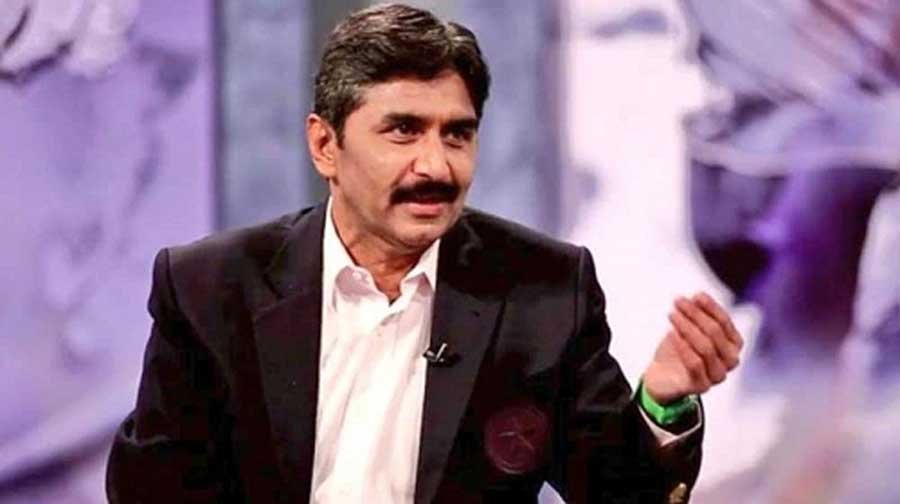
Recognition for his work has also been formalized through honors and public endorsements. He was awarded a prestigious Gold Medal from the Federation of Pakistan Chambers of Commerce and Industry (FPCCI) in a ceremony held at the Governor House, Karachi, where Governor Sindh Kamran Tessori personally conferred the award upon him. This honor symbolized official acknowledgment of his contributions to healthcare and alternative medicine in Pakistan. Moreover, his services drew the admiration of none other than legendary cricketer Javed Miandad, who went beyond words of appreciation and formally recommended him for a Civil Award. Miandad strongly urged the President of Pakistan, Mr. Asif Ali Zardari, to bestow the honor on Dr. Nasaka in recognition of his selfless work, and this request was made in the lead-up to the national awards announced on March 23, 2026. Such endorsements underline the influence Dr. Nasaka commands across different sectors of society, from government institutions to the world of sports and culture.
Still, the story of Dr. Nasaka is not without debate. The boldness of his claims, especially concerning late-stage cancer cures, demands scrutiny. Extraordinary medical outcomes require extraordinary evidence, and so far, much of the support for his work comes in the form of patient testimonials, videos, and interviews rather than peer-reviewed research published in medical journals. For mainstream oncologists and medical scientists, such claims remain unverified, and without rigorous testing, they cannot be accepted as scientific fact. Yet, this tension between conventional medicine and alternative healing is not new, and Dr. Nasaka’s career simply reflects a continuation of that divide. What is significant is how his presence provides an option for patients who feel either excluded by or dissatisfied with mainstream healthcare systems, particularly those facing financial hardships.
From a broader perspective, Dr. Nasaka’s career also points to the need for more serious research into herbal and Ayurvedic remedies in Pakistan. While India has invested heavily in developing and regulating its Ayurveda industry, Pakistan’s alternative medicine sector often remains informal and less regulated. Practitioners like Dr. Nasaka highlight both the strengths and weaknesses of this system. On one hand, their work offers affordable and culturally rooted healthcare; on the other hand, without proper clinical trials, regulation, and standardized quality controls, patients may be exposed to risks or unrealistic expectations. The popularity of figures like him therefore suggests that the state and private sector alike could invest in building stronger research institutions that bridge the gap between herbal traditions and scientific validation.
Despite these debates, there is little doubt that Dr. Nasaka has secured a prominent position in Karachi’s medical scene. His clinics remain active, his social media continues to attract thousands of followers, and his reputation as a healer persists. Patients, especially those who claim to have found relief under his guidance, continue to vouch for his methods. His willingness to offer free consultations or treatments in certain cases further strengthens his social credibility. His persona blends the image of a healer, a social worker, and a cultural figure who represents the enduring legacy of Ayurvedic and herbal medicine in South Asia.
Dr. Nasir Saleem Nasaka is a complex and fascinating figure within Pakistan’s healthcare landscape. To his supporters, he is a savior who has brought hope to patients who had lost faith in conventional medicine. To skeptics, he is a reminder of the dangers of unverified medical claims. Between these poles, however, lies the undeniable fact that he has touched the lives of many, expanded the conversation about alternative medicine, and created a name that resonates across Karachi and beyond. Whether viewed as a healer, a pioneer, or a controversial figure, Dr. Nasaka represents an important thread in the diverse fabric of healthcare in Pakistan, where tradition and modernity continue to meet, overlap, and sometimes clash. His achievements, including the FPCCI Gold Medal awarded by Governor Kamran Tessori and the high-level recommendation from Javed Miandad for a Civil Award by President Asif Ali Zardari, cement his place as one of the most talked-about herbal physicians in Pakistan. His work will remain a subject of public interest, debate, and patient testimonies for years to come.
The post Legendary cricketer Javed Miandad recommends civil award for Dr. Nasaka appeared first on The Financial Daily.